#AadhiWaliZindagiMitao - 2019

A movement that showed the cost of not knowing

Some lives are lived fully. Some are lived halfway.

In 2019, we decided to show the world what a “half-life” really looks like, and why it should never happen in the first place.

That’s how #AadhiwaliZindagiMitao began.

The thought behind the movement

People with Thalassemia Major rarely live beyond their 30s, which is almost half the lifespan of an average person. And yet, most of these cases are completely preventable.

The problem wasn’t medicine. The problem was awareness.

So instead of explaining Thalassemia in long paragraphs, we chose to show it.

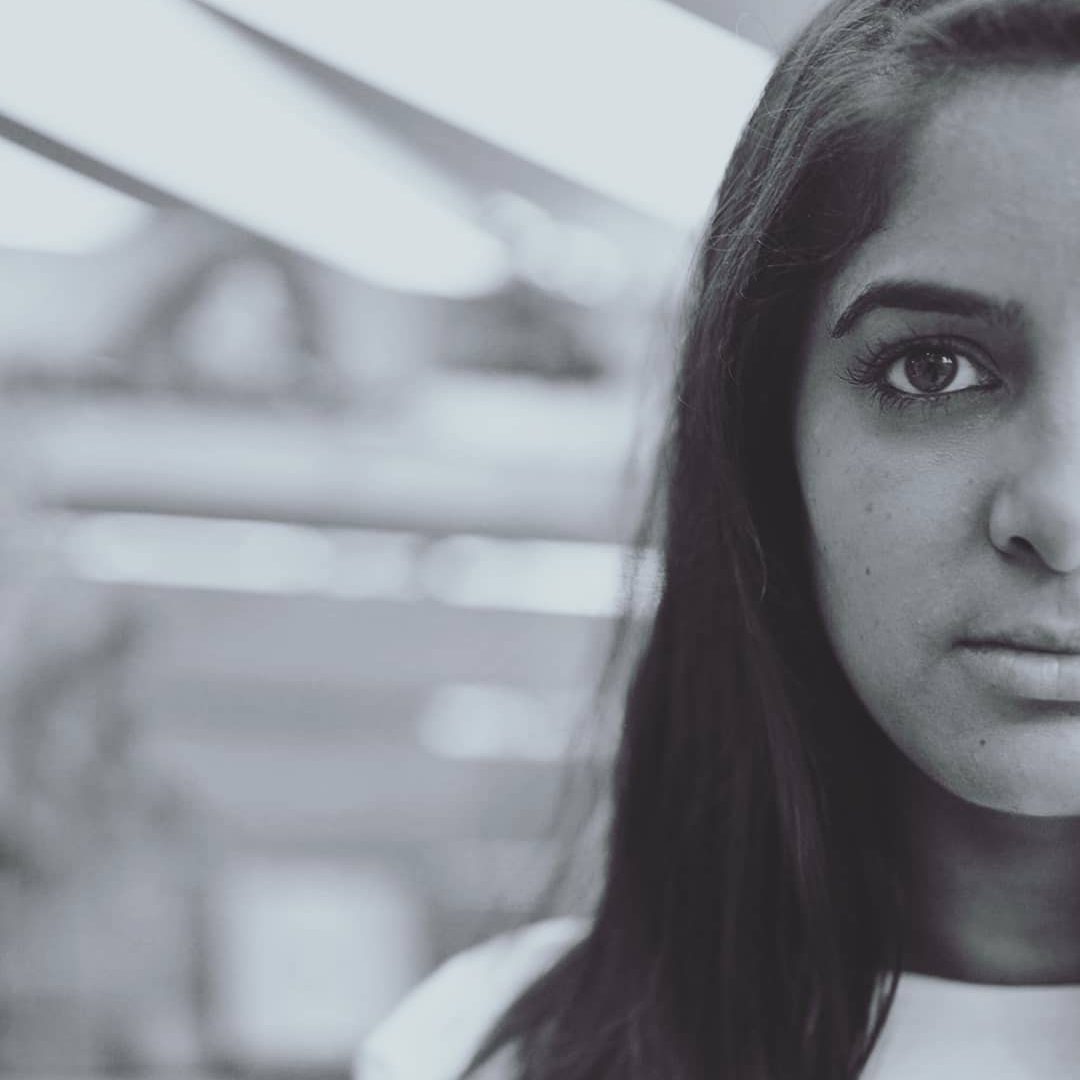
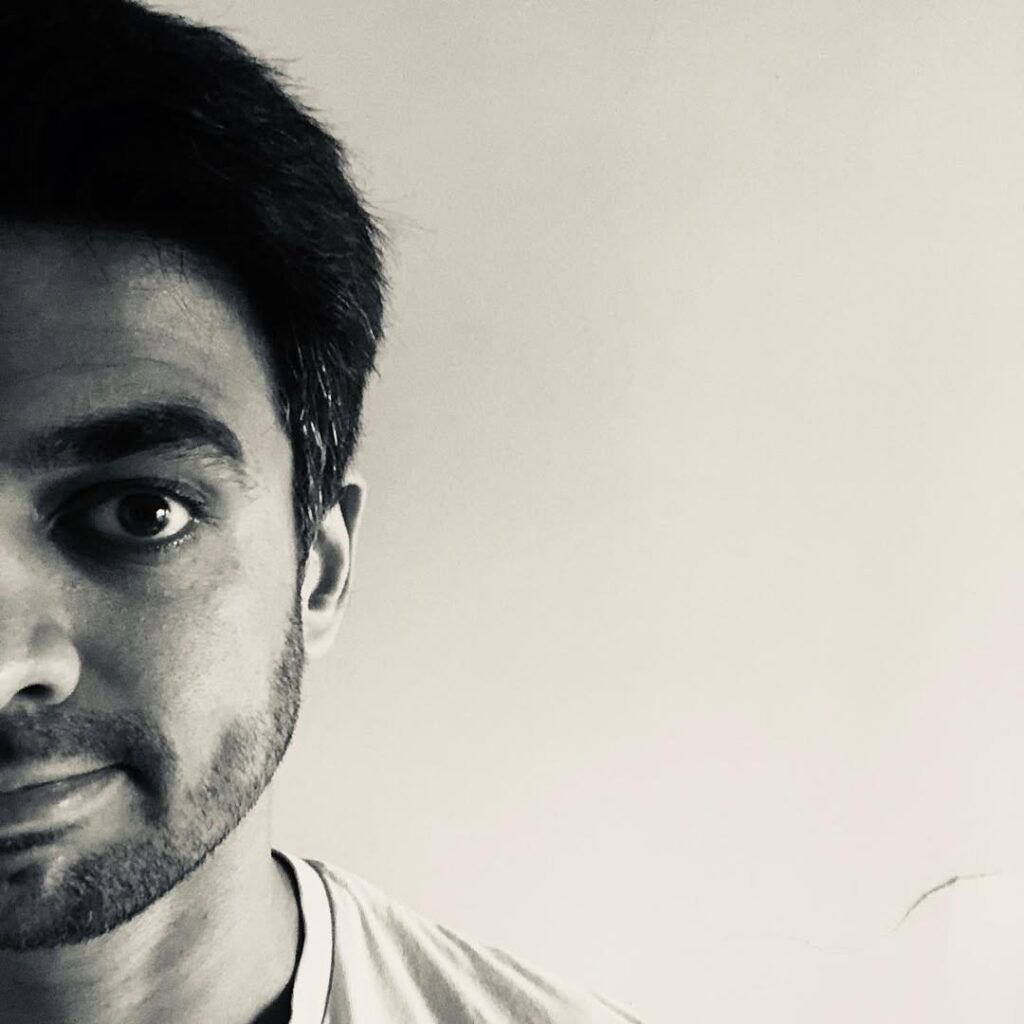
Half a face. Half a life.

Turning a visual into a voice

On 8th May 2019, World Thalassemia Day, we launched #AadhiwaliZindagiMitao — a simple but powerful visual movement.

People posted images of half their face, symbolizing the reduced life expectancy of a child born with Thalassemia Major when both parents are carriers.

The message was clear and impossible to ignore:
If both partners have Thalassemia Minor, there is a 25% chance their child will be born with Thalassemia Major.

One post. One image. One question:
Why risk giving someone half a life when a simple blood test can prevent it?
They lit the spark

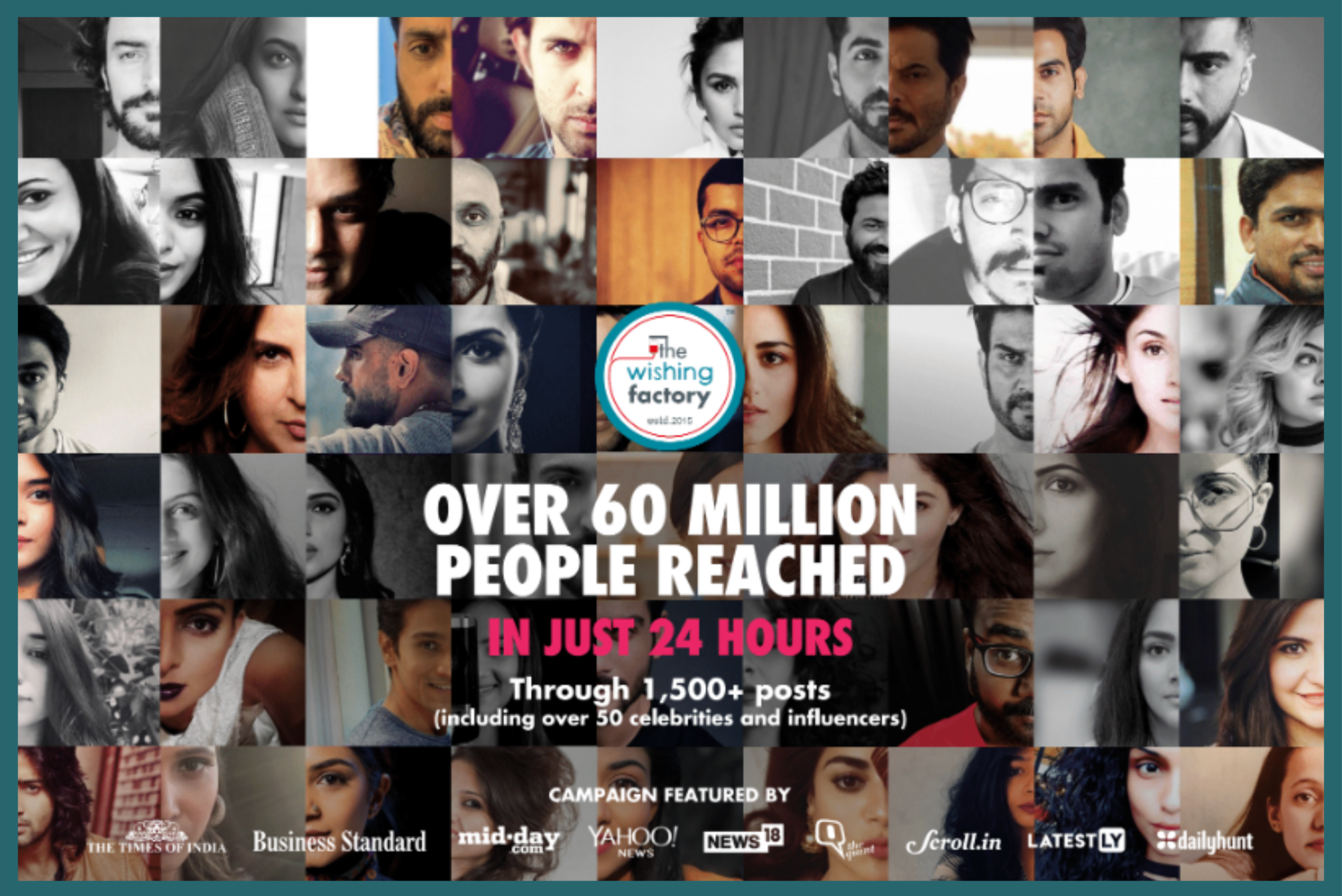
The movement was kick-started by three leading celebrity influencers and quickly taken forward by over 50 creators, advocates, and everyday people.

What started as a few posts turned into a flood of timelines filled with half faces — each one carrying the same message:
Get tested. Talk about it. Prevent it.

And then, it caught fire.

When awareness spread faster than expected

In just 36–72 hours, the response was unlike anything seen before in the Thalassemia awareness space.

  • 2,600+ posts generated organically
  • A movement powered by 50+ influencers
  • Over 10.6 lakh accounts reached
  • 37,665 total interactions

All of this was achieved with a campaign spend of just ₹26,400 — proving that a strong idea can travel further than budgets ever will.

Changing the conversation around Thalassemia

To put this into perspective:

  • In the seven years prior (2012–2019), there were 1,421 posts around Thalassemia awareness
  • In just 72 hours, #AadhiwaliZindagiMitao alone added 2,600+ posts

For the first time, World Thalassemia Day received the attention it truly deserved on social media.

When awareness turned into action

The impact wasn’t limited to screens.
During the campaign period:

  • Calls to The Wishing Factory’s helpline increased from 5 per day to 40 per day
  • An 8x rise in people actively seeking information and help

In the month following the campaign:

  • 684 people underwent Thalassemia testing
  • A 2.75x increase compared to the earlier monthly average

People weren’t just posting. They were acting.

From Instagram to real lives

During the campaign:

  • Instagram profile interactions jumped from 878 to 16.6K+ in a single day
  • Account reach rose sharply from 73.1K+ to 4.66 lakh+

More importantly, The Wishing Factory stopped being just another page; it became a place people turned to for answers.

Why #AadhiwaliZindagiMitao mattered

Because it made people uncomfortable — in the right way.
Because it replaced silence with conversation.
Because it reminded us that ignorance has consequences.

#AadhiwaliZindagiMitao wasn’t just a campaign.
It was a mirror, showing what happens when testing is ignored, and how easily that story can change.

And that belief continues to guide everything we do today — towards a future where no child is born into a preventable half-life, and where awareness is the first step towards a #ThalassemiaMuktBharat.

Voices that powered this campaign

Lorem Ipsum is simply dummy text of the printing and typesetting industry. Lorem Ipsum has been the industry’s standard dummy text ever since the 1500s, when an unknown printer took a galley of type and scrambled it to make a type specimen book. It has survived not only five centuries, but also the leap into electronic typesetting, remaining essentially unchanged. It was popularised in the 1960s with the release of Letraset sheets containing Lorem Ipsum passages, and more recently with desktop publishing software like Aldus PageMaker including versions of Lorem Ipsum